
Atlanta is not just hosting World Cup matches. This city has transformed into one of the most important soccer markets in the United States, and that reputation was built long before FIFA came calling.
If you are visiting for the 2026 FIFA World Cup and want to understand why Atlanta matters in the American soccer landscape, you’ve come to the right place. What follows is a deep dive into the club that changed everything, the fans who pack Mercedes-Benz Stadium week after week, and the culture that makes match day in Atlanta unlike anywhere else in North America. Facts.
Atlanta United: The Club That Changed MLS
Atlanta United FC kicked off their inaugural MLS season in 2017 as the league’s 22nd franchise. Within two years, they had won MLS Cup, shattered attendance records, and fundamentally shifted expectations for what an American soccer club could achieve.

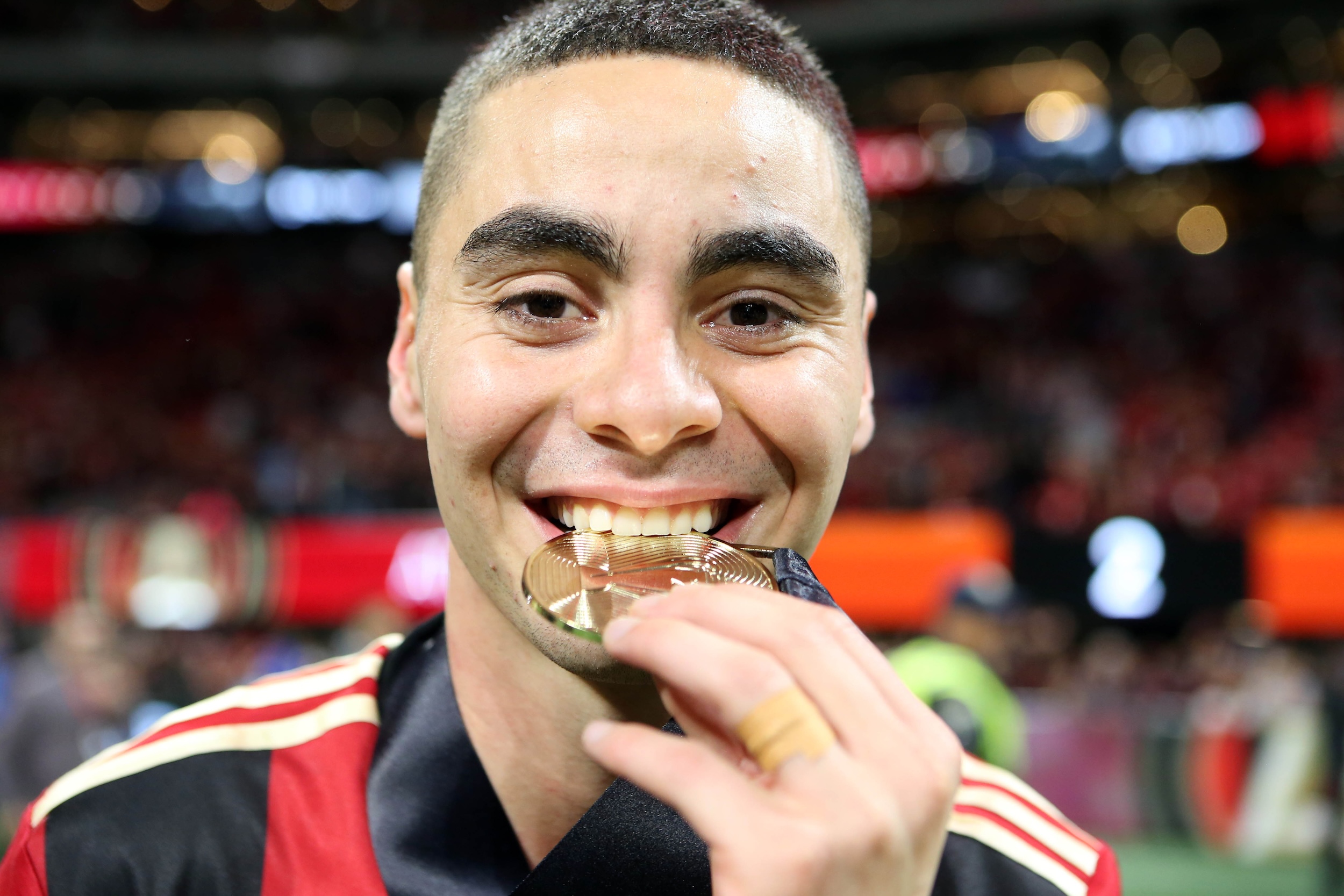
The 2018 MLS Cup final drew 73,019 fans to Mercedes-Benz Stadium, setting a new benchmark for championship attendance in the league. Head coach Gerardo “Tata” Martino built a squad that played fearless, front-footed soccer, pressing opponents relentlessly and attacking with flair. Josef Martinez captured the league MVP award while rewriting the single-season goal record. Miguel Almiron dazzled fans with his speed and creativity before earning a transfer to Newcastle United in the Premier League.
Since that championship season, Atlanta has navigated plenty of turbulence. Frank de Boer, Gabriel Heinze, Gonzalo Pineda, and Ronny Deila have all occupied the technical area with mixed results. But in November 2025, the club brought Tata Martino back for a second stint, reuniting the fanbase with the architect of their greatest success. With Almiron also back wearing the Five Stripes and the World Cup approaching, the timing feels right.
Atlanta United plays home matches at Mercedes-Benz Stadium, sharing the venue with the NFL’s Atlanta Falcons. Arthur Blank, co-founder of The Home Depot, owns the club and has proven to be one of the most committed investors in American professional sports. His financial backing extends well beyond the first team. In 2024, the club announced a $23 million expansion to Children’s Healthcare of Atlanta Training Ground in Marietta, nearly doubling the footprint of an already impressive facility. That expansion opened in fall 2025 with dedicated space for Atlanta United 2 (the reserve team competing in MLS NEXT Pro) and the Academy, which continues producing top young talent.
That academy system has provided hope even during frustrating seasons. Homegrown players like Noah Cobb, Jay Fortune, Matt Edwards, and Will Reilly represent the heart of what Atlanta United stands for. These are players who came up through the organization, understand what it means to wear the badge, and compete with the fire that supporters expect.
The 17s: Atlanta’s Supporters
Atlanta United fans are collectively known as the 17s, named for the club’s inaugural season. The number 17 is permanently retired, belonging not to any individual player but to the supporters themselves.

Six official supporter groups form the backbone of the fanbase:
Terminus Legion got started in 2014, before MLS even confirmed Atlanta would receive a franchise. Their name references the city’s original identity as a railroad terminus. Beyond match days, they organize volunteer efforts with local nonprofits, participate in community cleanups, and run charitable initiatives throughout the year.
Footie Mob emerged around the same time, naming themselves after Atlanta hip-hop pioneers Goodie Mob. They set out to infuse Atlanta’s music and cultural identity into the supporter experience. Their tailgates have become legendary for blending Southern hospitality with genuine soccer atmosphere.
Resurgence draws inspiration from the city motto, which translates to “rising again.” They pour their energy into what happens inside the stadium. Members commit to standing and singing from first whistle to last, coordinating drums and leading chants from the supporters’ section.
The Faction carved out their own space with an independent, countercultural approach to supporting the club.
All Stripes serves as the LGBTQ+ supporter group. Founded in 2017 and gaining official status in 2022, they create welcoming spaces for LGBTQ+ fans while advocating for inclusion across the entire supporter community.
La 12 de Atlanta launched in 2016 and became official in 2022. They bring Latino traditions and the passion of South American supporter culture to every match, celebrating the deep connection between soccer and the Latino community.
All six groups work together on match days while keeping their distinct personalities. The result is one of the loudest, most diverse atmospheres in North American soccer. When the fans erupt after a goal, the noise is quite literally deafening, and that energy is what makes Atlanta United matches must-see events.
Match Day Traditions
Before every home match, supporters descend on the Gulch outside Mercedes-Benz Stadium. Each group stakes out their territory with food, music, and pregame festivities. The vibe feels more like a neighborhood block party than a typical stadium tailgate, drawing fans from every corner of the metro area and beyond.
Roughly an hour before kickoff, the march kicks off. Supporters stream toward the stadium together, drums setting the pace and smoke filling the air. This procession has become a signature Atlanta United tradition, and newcomers are welcome to join regardless of which group they follow.
Inside the building, attention turns to the supporters’ section behind the home goal where the Golden Spike sits. This pregame ceremony honors Atlanta’s railroad heritage. A guest of honor drives in the spike, which bears signatures from all six supporter groups. Everyone from local heroes to visiting celebrities has wielded the hammer over the years.
When Atlanta scores, the supporters’ section ignites. Flags wave, smoke rises, and the noise reaches levels that have left visiting Premier League personnel stunned. Staff from English clubs have openly marveled at the atmosphere, comparing it favorably to legendary venues back home.
U.S. Soccer’s New Home
Atlanta’s importance to American soccer extends well beyond Atlanta United. U.S. Soccer selected the Trilith area of Fayette County, just south of Atlanta, for their new National Training Center. The facility opened in April 2026, perfectly timed for the World Cup.
Arthur Blank contributed $50 million toward construction, and The Home Depot signed on as a supporting partner. When complete, the center will serve as headquarters for all 27 U.S. national teams while also hosting youth programming, coaching education, and community events year-round.
Between Mercedes-Benz Stadium, the U.S. Soccer National Training Center, and Atlanta United’s upgraded training complex, metro Atlanta now boasts the densest concentration of professional soccer infrastructure anywhere in the country.
A Longer History
Soccer in Atlanta did not begin with Atlanta United. The Atlanta Chiefs, Silverbacks, Ruckus, and Beat all came before, stretching the city’s professional soccer history back nearly five decades. Those earlier ventures struggled against unstable league structures and ownership challenges, yet fans continued showing up. Atlanta has always supported its soccer teams, even when the organizations themselves could not sustain momentum.
That loyal foundation made Atlanta United’s explosion possible. When Arthur Blank unveiled plans for the franchise in 2014, more than 200 fans who had campaigned for MLS through grassroots efforts attended the announcement. By December 2015, supporters had committed to purchasing over 29,000 season tickets before the club had played a single competitive match.
NWSL Atlanta
In November 2025, Arthur Blank made it official: Atlanta will field a team in the National Women’s Soccer League beginning in 2028. The franchise becomes the 17th club in the NWSL, a number the supporters have already embraced.

The ownership group is investing $330 million into the venture, including the $165 million expansion fee. Plans include purpose-built training facilities designed specifically for female athletes and stadium modifications to enhance the match day experience. For Atlanta soccer fans, this announcement completes the professional soccer picture in a city that has been building toward this moment for years.
Why It Matters for World Cup Visitors
Understanding Atlanta’s soccer culture will enrich your World Cup experience. This is not a city discovering the sport because FIFA showed up. This is a city that spent a decade, and technically much longer, building something special before earning the right to host.
When you walk through the Gulch before a World Cup match and encounter the drums and the singing, know that this is what happens here every time Atlanta United takes the field. When Mercedes-Benz Stadium fills with noise that seems impossible for a retractable-roof venue, know that the 17s create this atmosphere week after week, year after year.
Atlanta did not just volunteer to host World Cup matches. Atlanta earned them.
Explore More of Our World Cup Atlanta Guide
Getting around the city? Check out our MARTA and transit guide for World Cup visitors. Looking for places to stay? Browse our Atlanta hotels guide. Want to watch matches with fellow fans? Our bars guide and fan zones page have you covered. Hungry? Our restaurants guide covers the best spots near the stadium. Planning your days between matches? See our things to do guide, and when you are ready to get into the stadium, our ticket guide breaks down everything you need to know.
This guide is part of our complete World Cup 2026 Atlanta coverage.